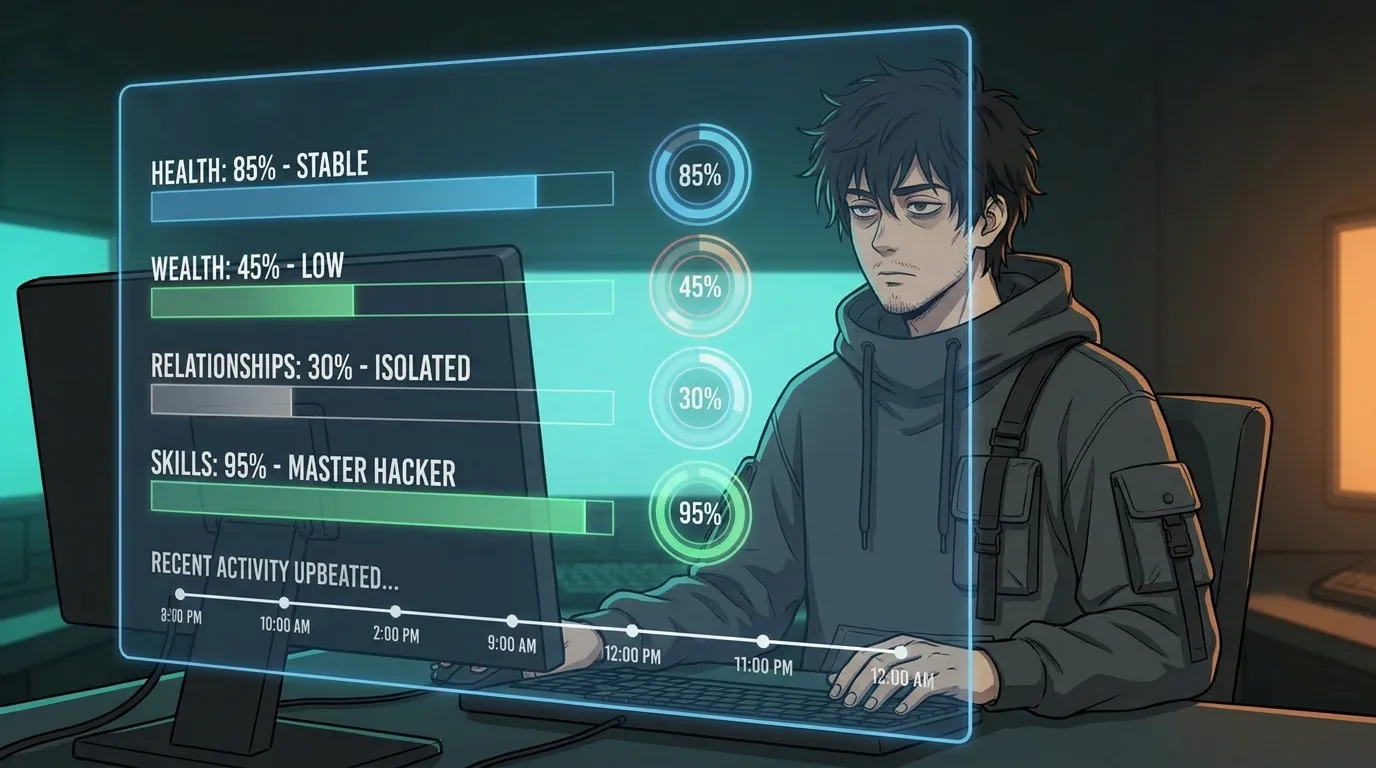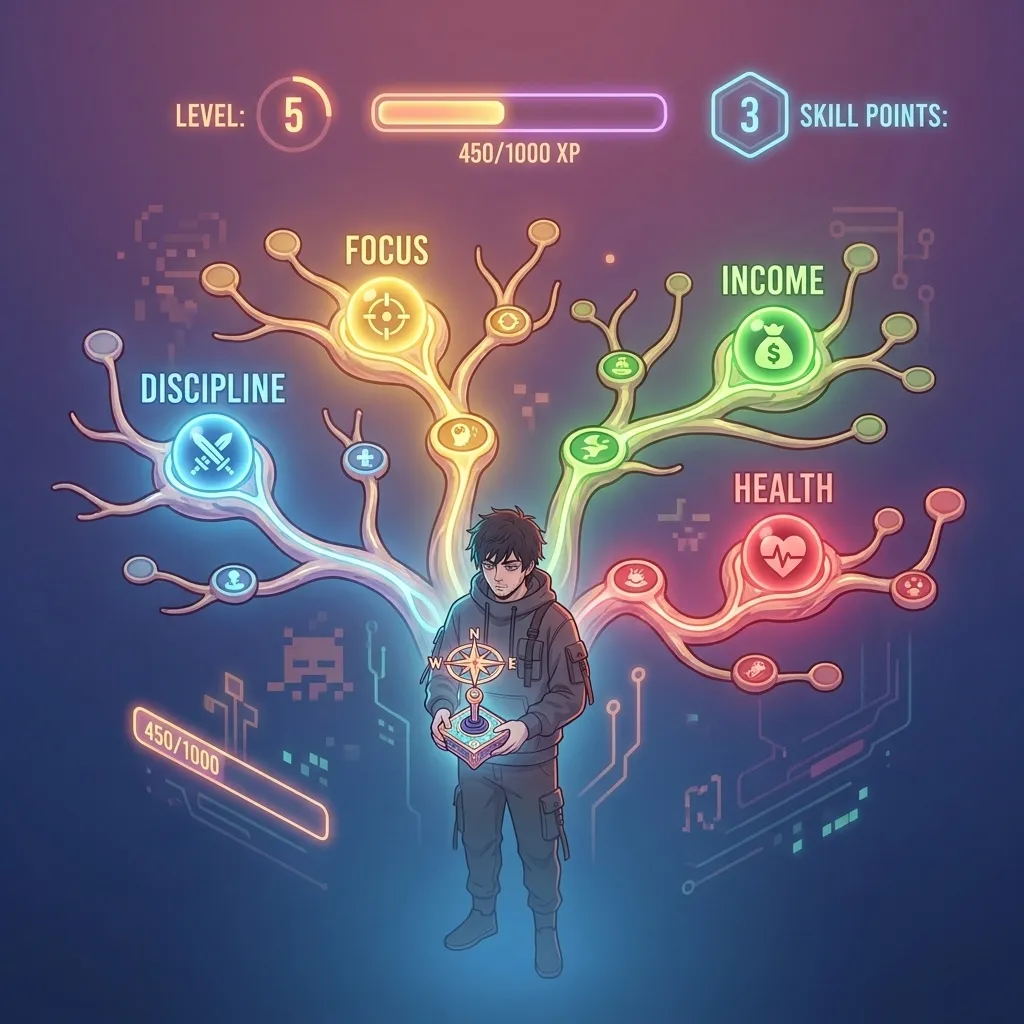
Most self‑help advice leaves you feeling motivated for a few days, then back where you started. You read another book, watch another video, set another goal… and nothing sticks. The problem isn’t a lack of desire; it’s a missing operating system for your life.
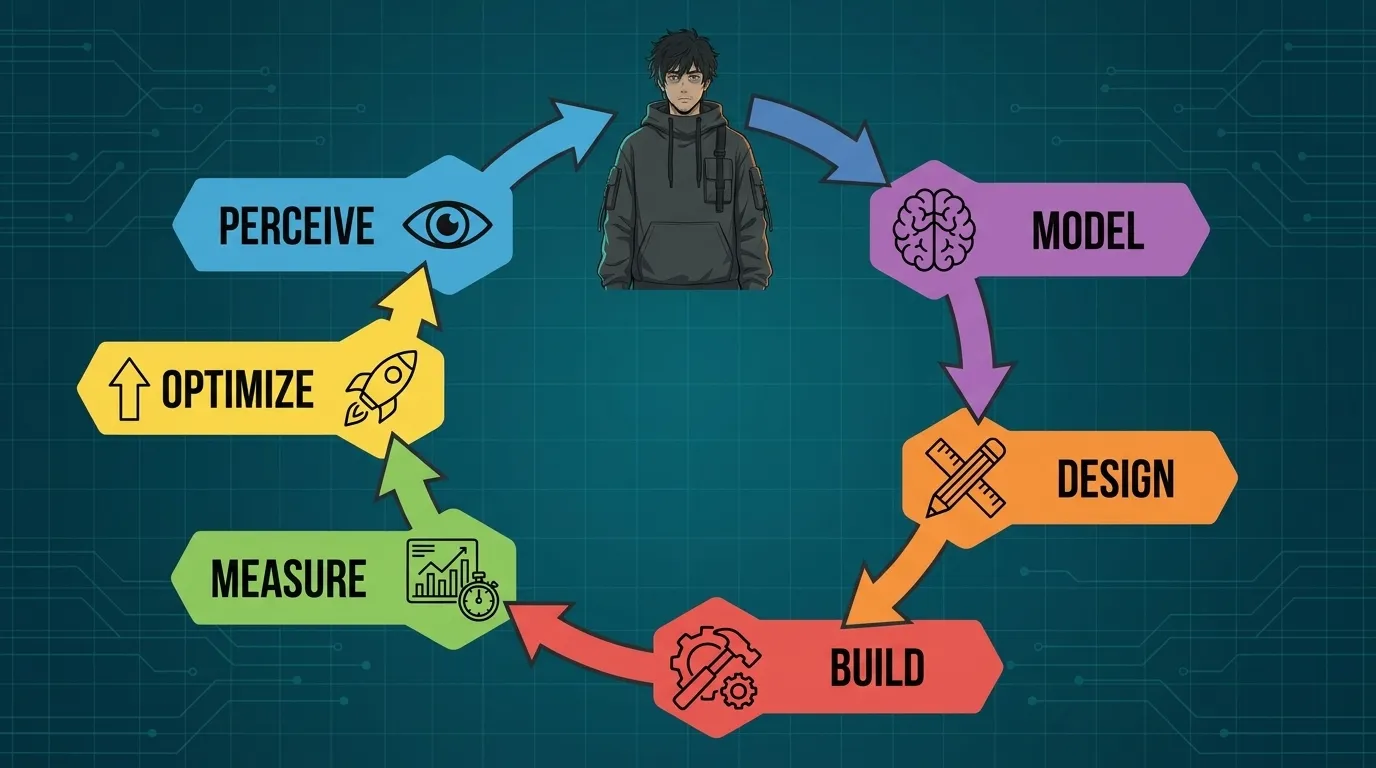
PDES (Perceive‑Model‑Design‑Build‑Measure‑Optimize) applies the same logic that runs every computer to personal development. It turns vague aspirations into a debuggable, optimizable system you can test, tweak, and scale.
Phase 1: Perceive – Diagnose Your Current State
Before you can fix anything, you need accurate data. Perception is about gathering objective facts without judgment.
- Track your time, energy, and mood for one week.
- Identify recurring bottlenecks (e.g., “I always procrastinate after lunch”).
- Write a brief “system snapshot” – a one‑page description of your current habits, resources, and constraints.
“You can’t improve what you don’t measure.” – PDES Perception Principle
Phase 2: Model – Build a System State Machine
Turn your snapshot into a simple state machine: defined states, triggers, and transitions. This makes hidden patterns visible.
- Define core states (e.g., Focused, Distracted, Recovering).
- List triggers that move you between states (e.g., “phone notification → Distracted”).
- Sketch the flow on paper or a digital tool; keep it to ≤5 states for clarity.
A good model is simple enough to draw on a napkin, yet powerful enough to simulate behavior.
Phase 3: Design – Create Actionable Protocols
Design translates the model into concrete actions you can execute when a trigger fires.
- For each transition, write a protocol: “If I feel distracted after lunch, then I will close all tabs, set a 25‑minute timer, and work on the top priority task.”
- Use the If‑Then‑Else format to remove ambiguity.
- Limit protocols to one sentence each; they should be executable in under 60 seconds to start.
Phase 4: Build – Generate SOPs and Trackers
Now turn protocols into repeatable Standard Operating Procedures (SOPs) and lightweight tracking sheets.
- Create a one‑page SOP for each protocol (purpose, steps, required tools).
- Add a simple tracker: date, trigger fired, protocol executed, outcome (Success/Fail).
- Use a spreadsheet or a note‑taking app; the goal is visibility, not perfection.
“What gets tracked gets managed.” – PDES Build Principle
Phase 5: Measure – Apply Life Quant Metrics
To know if you’re improving, apply quantitative trading‑style metrics to your personal data.
- Win Rate = (% of protocols executed successfully).
- Expectancy = (Win Rate × Avg Gain) – ((1 – Win Rate) × Avg Loss).
- Drawdown = maximum consecutive days below your target success rate.
- Review metrics weekly; adjust protocols when Expectancy turns negative.
Phase 6: Optimize – Debug, Refactor, and Automate
The final phase treats your habit loop like code: find bugs, refactor for efficiency, and automate the repetitive parts.
- Identify protocols with low success rate or high friction.
- Ask: Can I reduce the number of steps? Can I batch similar actions?
- Introduce automation cues: phone alarms, app notifications, or environment changes (e.g., placing running shoes by the bed).
“Optimization is not about doing more; it’s about eliminating waste.” – PDES Optimize Principle
Summary: Why PDES Beats Traditional Self‑Help
Traditional self‑help relies on motivation, which fluctuates. PDES replaces fickle drive with a repeatable system: you perceive reality, model it, design protocols, build SOPs, measure results, and continuously optimize. The result is steady, measurable progress — not fleeting bursts of inspiration.
Get Your Free Debug Protocol
Ready to replace motivation‑based guesswork with a true operating system for your life? Download the free PDES Debug Protocol and start building your first state machine today.