
Imagine achieving your goals not by gritting your teeth and forcing yourself through each task, but by designing a system where the right actions happen automatically. This is the promise of discipline without willpower: a sustainable approach that leverages psychology, environment design, and feedback loops instead of exhausting self‑control.
Most people blame a lack of willpower when they fail to stick to a habit. Yet research shows that willpower is a finite resource that degrades with use. When you rely on it alone, you set yourself up for burnout and inconsistency. The alternative is to build habit loops that make the desired behavior the path of least resistance.
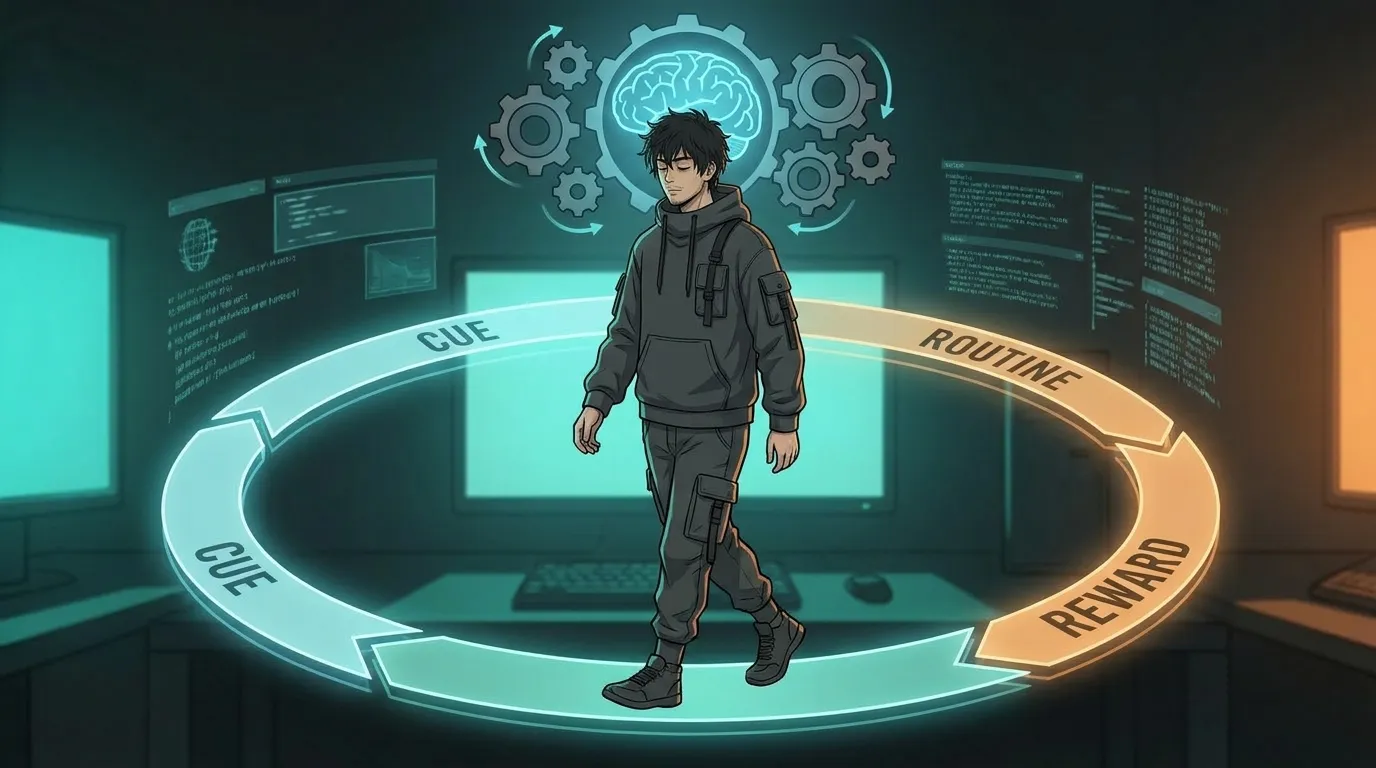
The Willpower Myth: Why Relying on Self‑Control Fails
Willpower works like a muscle: it can be strengthened, but it also gets tired. Throughout the day, decisions, stress, and temptations drain this reserve, making it harder to choose the healthy option when you need it most.
“You do not rise to the level of your goals. You fall to the level of your systems.” — James Clear
Instead of fighting your impulses, you reshape the context so that the impulse aligns with your goal. When the environment cues the right behavior, you no longer need to exert willpower to act.
Understanding the Habit Loop: Cue, Routine, Reward
Every habit follows a three‑step loop:
- Cue – The trigger that tells your brain to go into automatic mode.
- Routine – The behavior you perform (the habit itself).
- Reward – The benefit your brain receives, which reinforces the loop.
To change a habit, you keep the same cue and reward but swap the routine for a more desirable action. To build a new habit from scratch, you design a clear cue, an easy routine, and a satisfying reward.
“The cue tells your brain to go into automatic mode and which habit to use.”
Example: You want to read 20 pages each night. Cue: brushing your teeth. Routine: read 20 pages. Reward: feeling of progress and a relaxed mind before sleep. Over time, the cue alone triggers the reading routine.
Designing Your Environment for Automatic Discipline
Your surroundings constantly send cues. By engineering those cues, you make the desired routine the easiest option.
- Make good cues visible. Place a water bottle on your desk to cue hydration.
- Reduce friction for the routine. Lay out workout clothes the night before to lower the effort to exercise.
- Increase friction for bad habits. Keep junk food in a hard‑to‑reach cabinet or delete distracting apps from your phone’s home screen.
- Amplify the reward. Pair a new habit with something you enjoy—listen to your favorite podcast only while you’re on the treadmill.
When the environment pushes you toward the right action, discipline becomes a byproduct of design, not a test of will.
Tracking, Measuring, and Optimizing Without Burnout
Even the best‑designed loops need occasional tuning. Use lightweight tracking to spot drift and celebrate wins.
- Simple habit tracker. Mark each day you complete the routine on a calendar or app.
- Weekly review. Ask: Did the cue still work? Was the routine too hard? Did the reward feel satisfying?
- Iterate. Adjust one element at a time—change the cue timing, simplify the routine, or upgrade the reward.
By measuring just enough to inform tweaks, you avoid the overwhelm of exhaustive logging while keeping the system aligned with your goals.
Bringing It All Together: Your 30‑Minute Debug Session
Now that you understand the pillars of discipline without willpower, it’s time to apply them to your own life. In a focused 30‑minute session you can:
- Identify your top three recurring problems (the habits that keep you stuck).
- Isolate the root cause for each—cue, routine, or reward misalignment.
- Build a fix plan: redesign the cue, tweak the routine, and amplify the reward for each habit.
This rapid debugging protocol turns insight into action, giving you a concrete roadmap you can start using today.
Ready to stop relying on fleeting motivation and start building disciplined systems that work for you?
Click the button above to claim your free guided session and begin debugging your life in just 30 minutes.