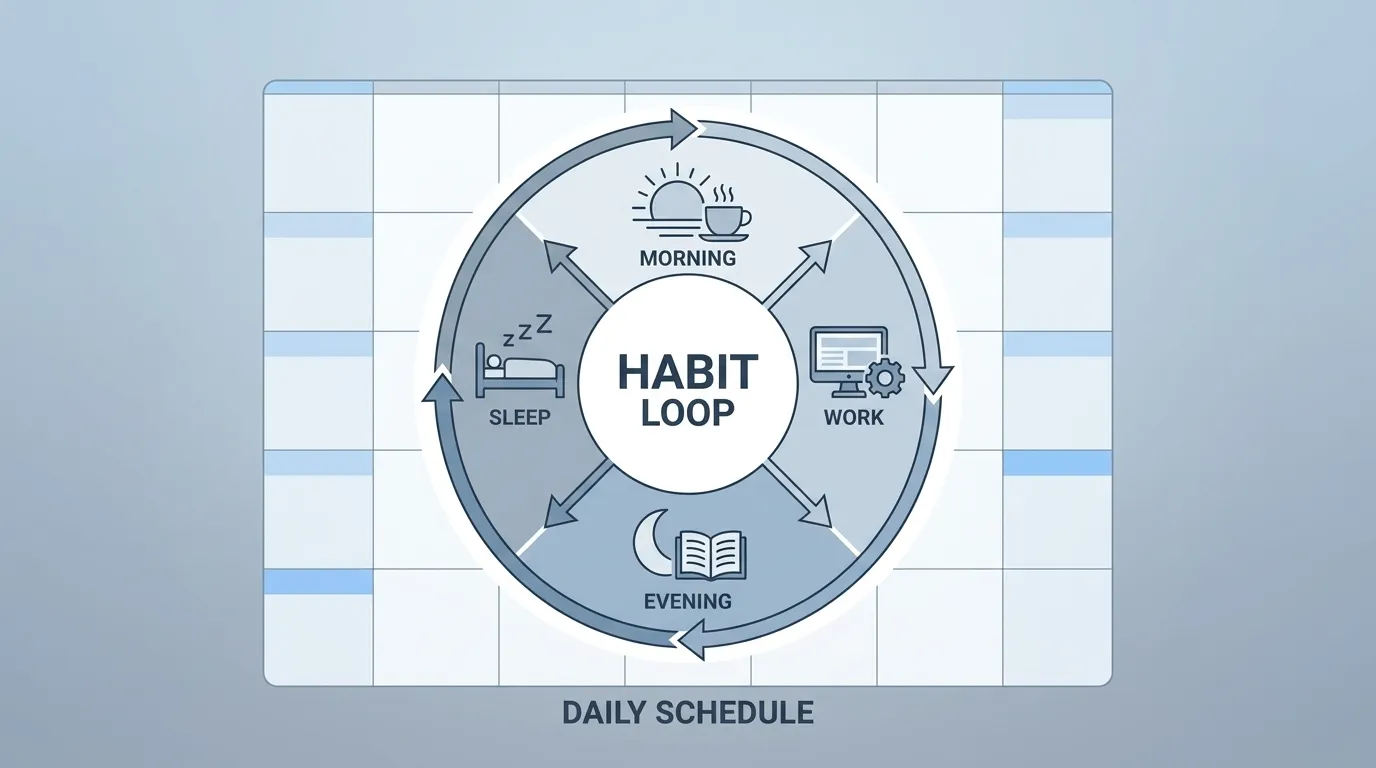
Stuck feeling like you’re putting in the work but not seeing results?
The missing piece isn’t more effort—it’s a way to see the effort.
Personal growth is a system, and like any system you can’t improve what you don’t measure.
By treating your development as a debuggable process, you turn vague aspirations into concrete data.
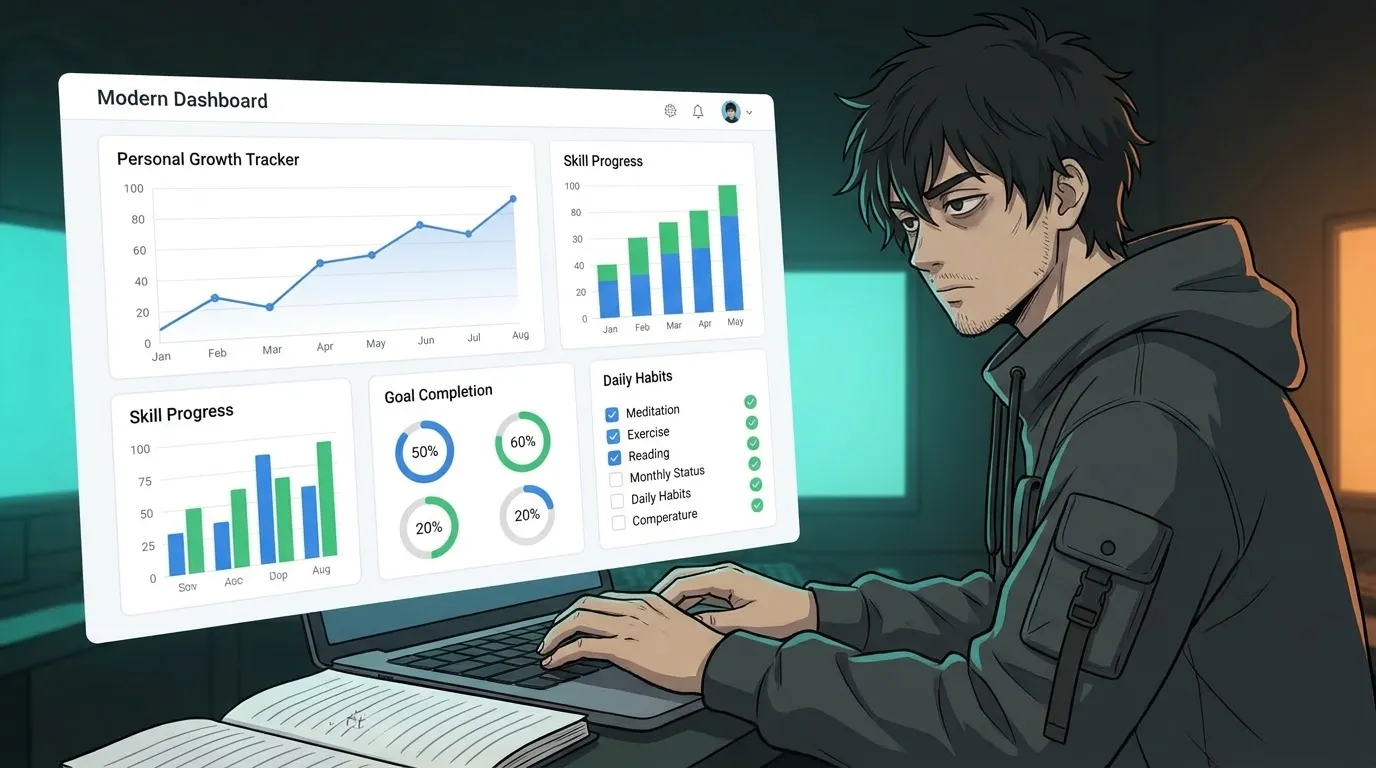
Why Measuring Growth Matters
When you quantify progress, you move from guesswork to insight. Measurement creates feedback loops that tell you what’s working, what’s not, and where to redirect your energy.
- Clarity: Turn abstract goals into observable numbers.
- Accountability: Data makes it harder to skip a day or rationalize a setback.
- Early Detection: Spot plateaus before they become long‑term stagnation.
- Data‑Driven Adjustments: Optimize habits based on real trends, not intuition.
Define Your Personal KPIs
Key Performance Indicators (KPIs) are the vital signs of your growth system. Choose metrics that directly reflect the outcomes you care about, and keep the set small enough to track consistently.
What gets measured gets managed.
- Habit Consistency %: Days a habit was performed ÷ total days in period × 100.
- Skill Proficiency Score: Self‑rated 1‑10 on a specific ability, updated weekly.
- Weekly Learning Hours: Time spent on deliberate study or practice.
- Mood/Energy Rating: Daily 1‑5 scale to correlate lifestyle factors with performance.
- Output Volume: Articles written, code commits, or any tangible deliverable per week.
Build a Tracking System with PDES
Apply the six‑phase PDES engine to turn your KPIs into a live dashboard.
- Perceive: Audit your current habits, tools, and data sources. Note what you already track (e.g., calendar, journal).
- Model: Sketch a simple state machine: Input → Habit → Output → Feedback. Identify the variables you will measure (your KPIs).
- Design: Choose a tracking medium—spreadsheet, Notion database, or a dedicated app. Define the schema: date, KPI name, value, notes.
- Build: Create the tracker, automate data entry where possible (e.g., Zapier linking Google Fit to your sheet).
- Measure: Log data daily or weekly. Run basic calculations: averages, trends, % change.
- Optimize: Review the charts, spot outliers, and run experiments (A/B test a new habit, adjust timing). Feed results back into Perceive.
Review, Optimize, and Scale
A tracking system is only as good as the rituals that keep it alive. Install a cadence of review to turn data into action.
- Weekly Check‑In (15 min): Update KPIs, note any deviations, decide one tweak for the coming week.
- Monthly Retrospective (30 min): Visualize trends, calculate month‑over‑month growth, celebrate wins, reset targets.
- Quarterly Overhaul (60 min): Re‑evaluate which KPIs still matter, add new metrics, retire noisy ones, and align with larger life goals.
By coupling this loop with the Life Quant metrics (win rate, drawdown, Sharpe ratio, etc.) you begin to treat your personal portfolio like a trader treats a strategy—maximizing return while minimizing risk.
Ready to turn your growth into a debuggable system? Grab the free cheat sheet that maps every life problem to a Computer Science concept and gives you the exact fix protocol.