Feeling stuck despite reading every self‑help book? You’re not lacking motivation—you’re missing the metrics that tell you whether you’re actually improving.
Personal growth is often treated as a vague feeling, but just like software, your life runs on processes that can be monitored, logged, and debugged. When you treat growth as a system, you gain the ability to spot bottlenecks, patch leaks, and deploy upgrades with confidence.

Why Traditional Self‑Help Fails Without Metrics
Most advice tells you to “follow your passion” or “build better habits,” but offers no way to verify progress. Without measurement:
- You rely on feelings that fluctuate daily.
- Small improvements go unnoticed, leading to frustration.
- You cannot distinguish between real change and placebo effect.
- Adjustments become guesswork rather than data‑driven tweaks.
“If you can’t measure it, you can’t improve it.” — Lord Kelvin
Adopting the Debugger Mindset: Apply Computer Science to Life
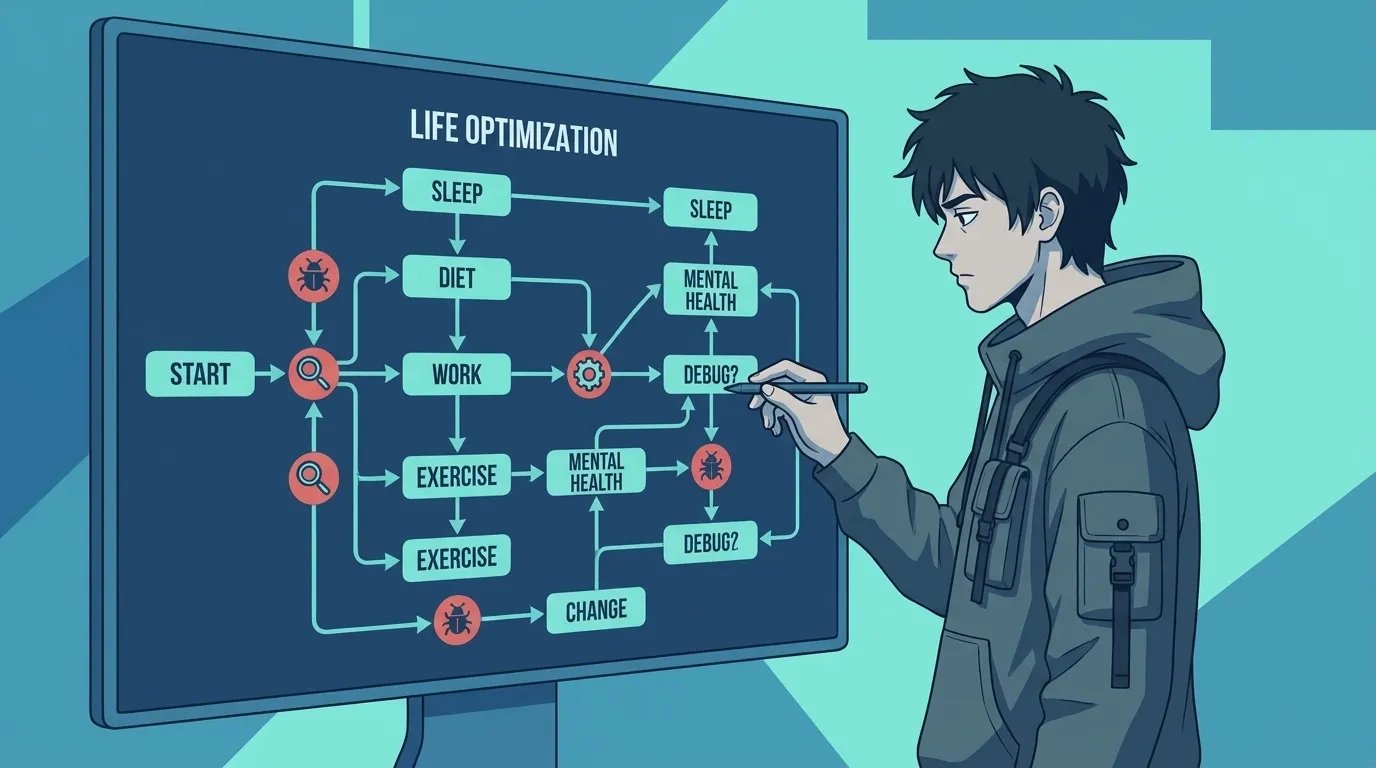
A debugger steps through code, watches variables, and logs errors. Treat your life the same way:
- Breakpoints: Identify moments where you stall (e.g., after work, before workouts).
- Watch Variables: Track key metrics such as sleep hours, deep work minutes, or mood scores.
- Log Output: Keep a simple journal or spreadsheet that records these variables daily.
- Error Diagnosis: When a metric deviates, ask “What changed?”—just like tracing a bug.
This mindset turns vague aspirations into actionable feedback loops.
Core Personal Development Metrics (Your Life KPIs)
Select a handful of metrics that reflect the areas you want to improve. Think of them as your personal KPIs.
- Productivity: Deep work hours per day (target ≥ 4 h).
- Health: Sleep quality score (1‑10) + weekly exercise minutes.
- Learning: Pages read or completed course modules per week.
- Finance: Savings rate (%) or discretionary spend variance.
- Relationships: Meaningful conversations count per week.
- Mood: Daily average rating (1‑10).
Tip: Start with three metrics to avoid overload; add more as the habit solidifies.
Building Your Personal Debugger: A 5‑Level System
Follow this repeatable cycle to continuously improve:
- Perceive – Capture your current state: log metrics, note feelings, identify pain points.
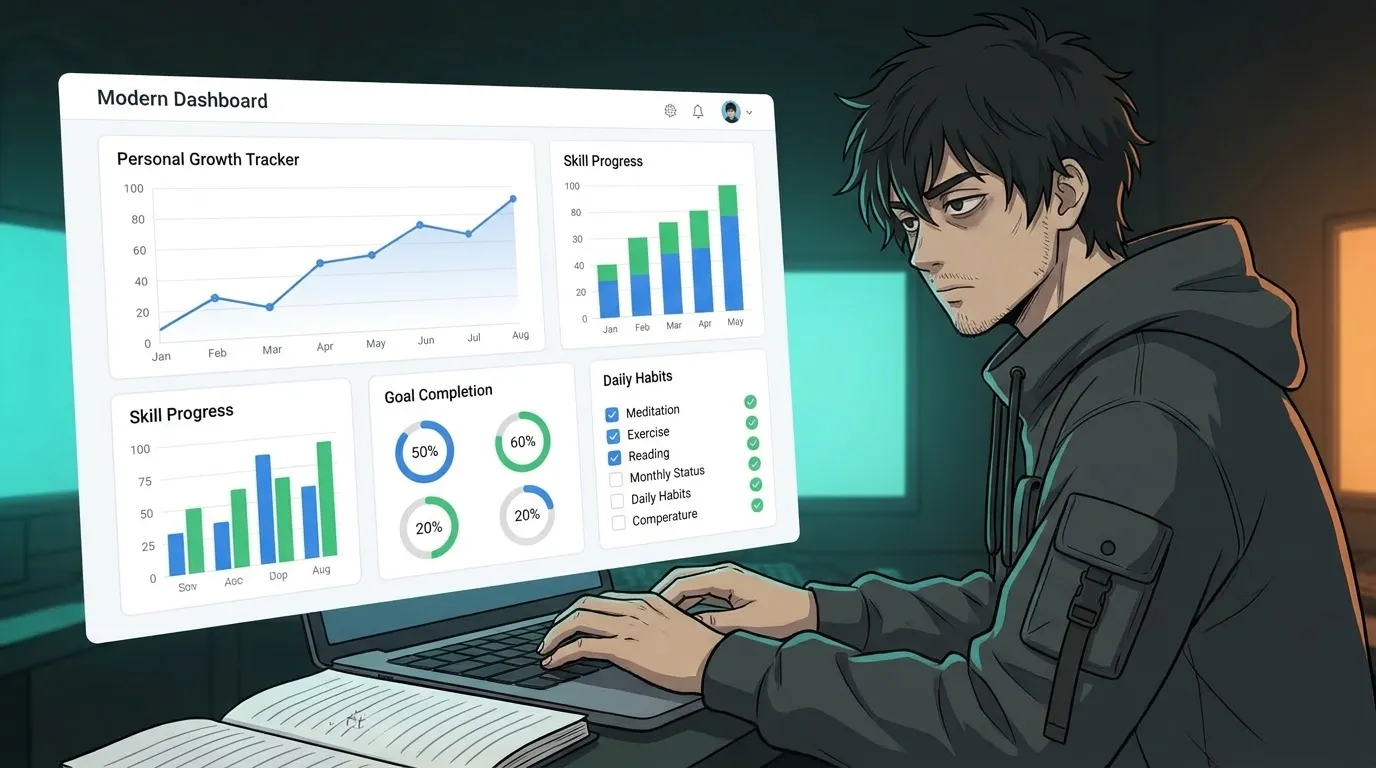
- Model – Translate raw data into a simple dashboard (spreadsheet or app) that shows trends.
- Design – Set target ranges for each metric and define what “good” looks like.
- Build – Create SOPs: morning review, evening log, weekly review ritual.
- Measure & Optimize – Review the dashboard, spot deviations, run experiments (e.g., change bedtime), and iterate.
Each loop is a sprint: you gather data, hypothesize a fix, test it, and measure the outcome—just like a software release cycle.
From Data to Action: Closing the Loop
When you treat personal growth as a debuggable system:
- Progress becomes visible, reinforcing motivation.
- Setbacks are diagnosed quickly, preventing long‑term stagnation.
- Experimentation replaces vague intention with evidence‑based tweaks.
- You develop a meta‑skill: the ability to improve any area of life by measuring it.
The debugger doesn’t judge; it simply informs. Use the information to act, and watch your life compile without errors.
Ready to stop guessing and start measuring? Download the free 5‑level Debug Protocol and begin diagnosing your life’s bugs today.