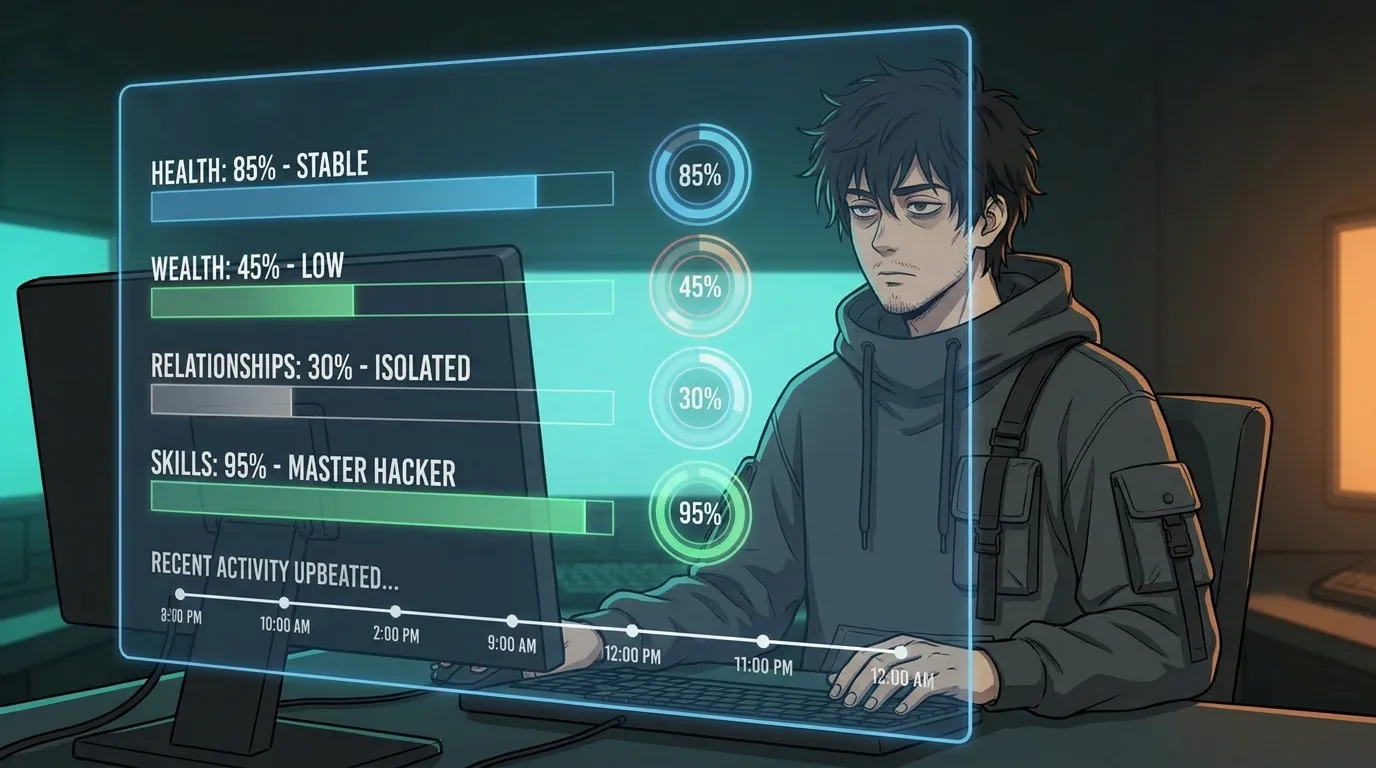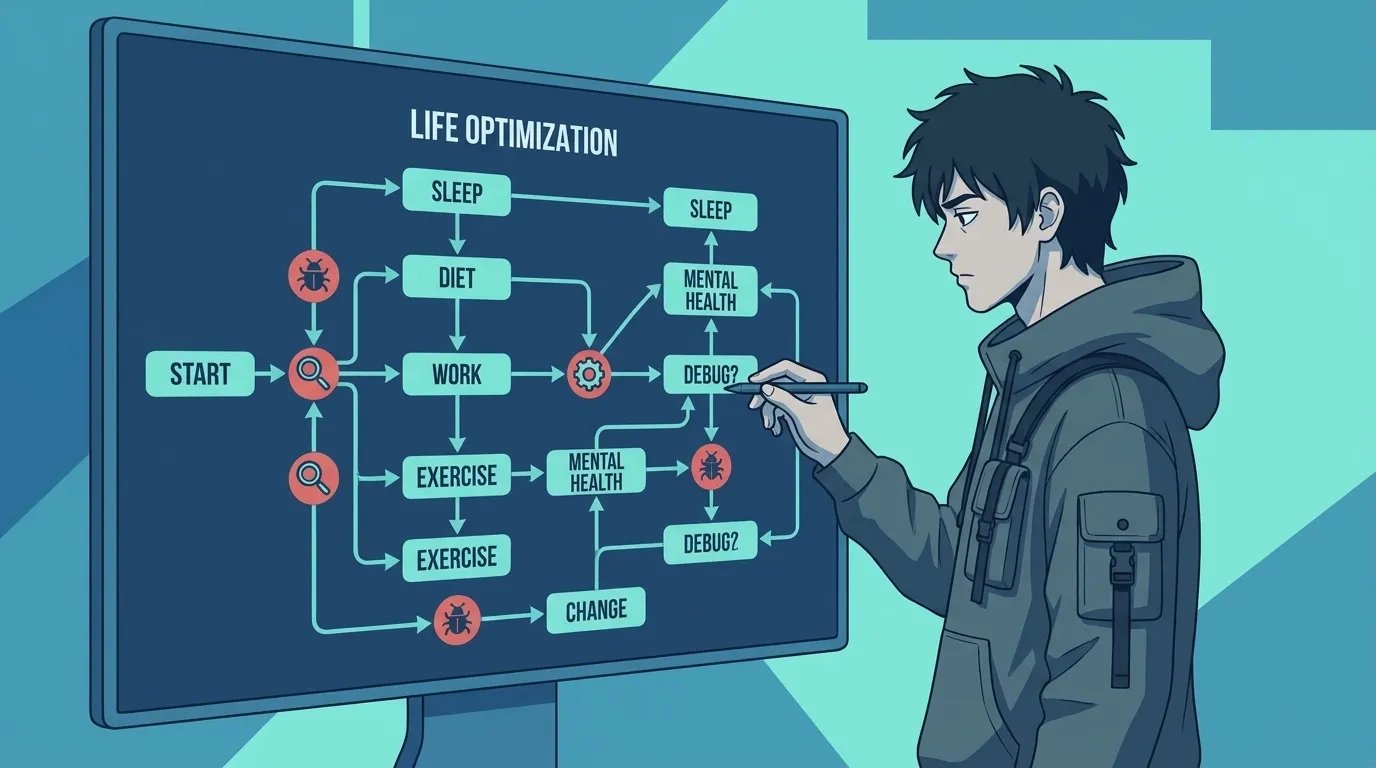
Self‑help books promise quick fixes, but the reason most of them flop is simpler than you think: you don’t have a motivation problem, you have a system problem.
When the underlying framework of your life is left undefined, every effort collapses under its own weight.
Structured personal development flips the script by turning vague aspirations into a debuggable, modular system you can test, iterate, and scale.
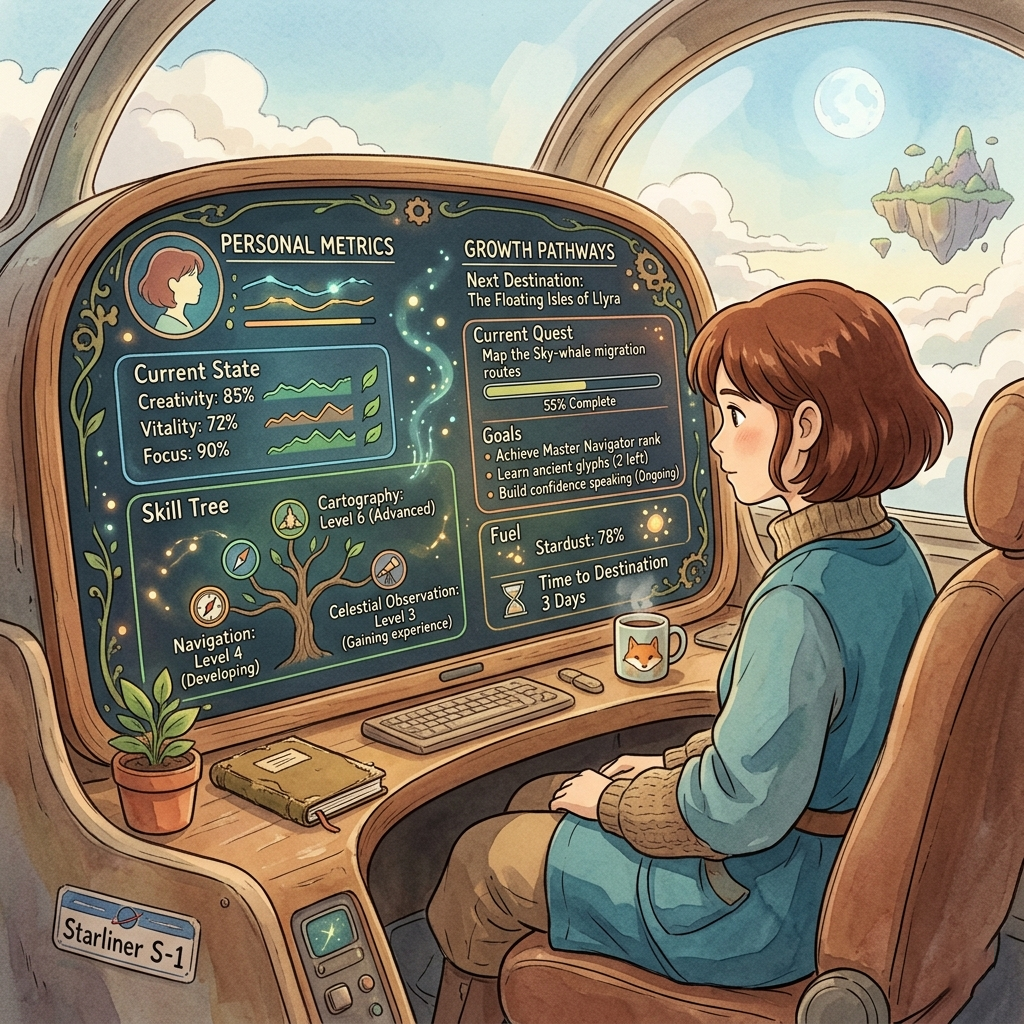
Why Motivation Alone Isn’t Enough
Every morning you wake up with a fresh resolve to read more, exercise, or finally start that side project.
Yet within days the drive evaporates, replaced by the familiar inertia of “I’ll do it later.”
The missing ingredient isn’t willpower—it’s a repeatable process that aligns daily actions with a higher‑order design.
In engineering terms, motivation is a variable input; a robust system treats it as an output generated by well‑placed feedback loops.
The System‑Thinking Advantage in Personal Growth
System thinking looks at the whole rather than the parts.
Instead of asking “How can I be more productive?” you ask “What are the interdependent components of my personal ecosystem, and how do they reinforce or undermine each other?”
This mindset shifts the conversation from isolated tips to interconnected patterns, creating a fertile ground for structured personal development.
Mapping Your Personal Operating System
Before you can redesign anything, you need a clear map of the current state.
This is the core_perceive phase from the PDES pipeline: scan your reality, diagnose pain points, and capture the data in a format the system can ingest. Think of it as taking a snapshot of your life’s directory structure—folders, files, and permissions.
Key Insight: A transparent map reveals where bottlenecks thrive and where unseen variables exert pressure.
Designing Effective Growth Protocols
The core_model phase transforms raw data into a structured state machine.
Here you translate life domains into discrete modules—health, finance, learning, relationships—each with defined inputs, processes, and expected outputs.
By doing so, you create a sandbox where experiments can run without jeopardizing other areas.
- Identify a target outcome (e.g., “run a 10 km race in 12 weeks”).
- Break it into measurable sub‑goals (run 3 km three times weekly).
- Attach a feedback trigger (log each run, adjust intensity based on fatigue).
- Automate the routine (set calendar reminders, use a tracking app).
From Protocol to Practice: The Debug Protocol
Having built the blueprint, the next step is execution—what PDES calls core_build. This is where you generate SOPs, trackers, and checklists that act as the executable code for your personal development system.
SOP Checklist for Daily Execution:
- Review morning metrics (sleep, energy level).
- Activate the primary habit block (e.g., 30‑minute focused work).
- Log performance and capture deviations.
- Apply core_measure metrics (Win Rate, Drawdown) to assess consistency.
- Trigger core_optimize if any metric falls below threshold.
Formula: Success Probability ↑ = (System Stability × Skill Calibration) ÷ (External Noise × Friction)
Debugging, Refactoring, and Scaling
No system is perfect from day one. The core_optimize phase instructs you to treat setbacks as debug sessions. Examine logs, isolate failing components, and push patches—whether that’s tweaking a habit loop, adding a new feedback channel, or swapping an outdated routine.
Scaling your structured personal development approach means moving from isolated modules to a cohesive ecosystem. When each module communicates via well‑defined interfaces, you can replace, upgrade, or expand them without breaking the whole network.
Your First Step Toward a Self‑Optimizing Life
Start with a simple audit: list the recurring tasks you perform daily, then assign each a status—stable, fragile, or abandoned. This quick exercise embodies the core_perceive step and instantly surfaces the hidden gaps that motivation alone cannot fill.
Once the gaps are visible, you can apply the core_design and core_build phases to craft a personalized, executable protocol. The result? A living system that continually adapts, improves, and scales—exactly what the most successful creators and leaders rely on.
Ready to stop chasing fleeting motivation and start engineering sustainable growth? Download the free Debug Protocol that transforms your personal development from a vague wish into a repeatable, debuggable system.
Remember: you don’t lack willpower; you lack a system that converts willpower into results. Build that system, and watch your personal development accelerate with the precision of a well‑tuned algorithm.
By embracing structured personal development and system thinking, you align every action with a clear purpose, turning everyday effort into measurable progress. This is the true differentiator between short‑term fixes and lasting transformation.